How to Plan a Construction Timeline Efficiently
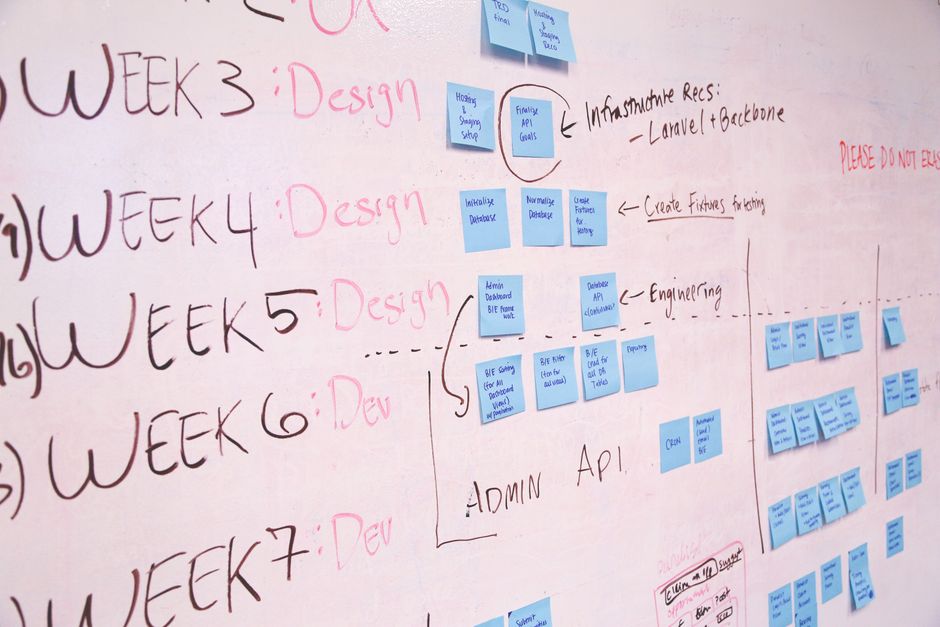
Planning a construction timeline is a fundamental task that shapes the entire project lifecycle. A well-structured schedule not only outlines the sequence of tasks but also sets expectations for all parties involved. Without a clear timeline, projects risk delays, cost overruns, and strained relationships. This article outlines a methodical approach to developing a realistic construction timeline, focusing on milestones, buffers, and effective coordination of subcontractors and workload management.
Effective timeline planning requires a balance between ambition and realism. It involves breaking down the project into manageable phases, estimating durations accurately, and anticipating potential disruptions. By following a structured process, project managers can create a schedule that serves as a reliable roadmap, facilitating communication and progress tracking. The steps below provide a framework for constructing a timeline that is both practical and adaptable.
Defining Project Scope and Deliverables
The first step in planning a construction timeline is to define the project scope and deliverables clearly. This involves identifying all tasks, from initial site preparation to final inspections, and understanding the dependencies between them. A detailed work breakdown structure (WBS) can be instrumental in this process. By deconstructing the project into smaller, manageable components, it becomes easier to estimate durations and assign responsibilities.
Scope definition should also include a clear understanding of the client’s requirements and any regulatory constraints. This ensures that the timeline aligns with expectations and compliance needs. Engaging with stakeholders early—such as architects, engineers, and local authorities—can help clarify requirements and secure necessary approvals, which might otherwise become bottlenecks. A well-defined scope serves as the foundation for accurate scheduling and resource allocation.
Once the scope is established, it is essential to sequence tasks logically. This means identifying which tasks must precede others and which can occur concurrently. For instance, foundation work must be completed before framing begins, but plumbing rough-ins can often proceed alongside electrical rough-ins. Mapping these dependencies helps in creating a realistic flow and prevents unnecessary delays. Tools like the Critical Path Method (CPM) can aid in identifying the longest sequence of dependent tasks, which determines the minimum project duration.
Estimating Task Durations and Resources
Accurate estimation of task durations and required resources is critical to a realistic timeline. Simple estimates based on experience can be improved by using historical data, industry benchmarks, and input from subcontractors. Each task should be assessed for its typical duration, considering factors like crew size, equipment availability, and site conditions. It is also important to account for non-working days, such as weekends and holidays, when scheduling calendar-based timelines.
Resource availability is another key consideration. Before booking subcontractors or ordering materials, it is prudent to check their availability. This can prevent over-commitment and avoid idle time. A resource calendar that tracks when each trade is available helps in aligning subcontractor schedules with the timeline. Additionally, resource leveling techniques can help manage workloads, ensuring that no crew or piece of equipment is overloaded. By smoothing resource demand, the risk of burnout and delays is reduced.
Contingency planning is also part of estimation. Even with thorough analysis, unforeseen events such as weather disruptions or supply chain issues can occur. Including a contingency buffer for critical tasks can mitigate these risks. For instance, if a task typically takes 10 days, scheduling 12 days provides a cushion. However, overestimating can bloat the timeline unnecessarily, so buffers should be strategic and based on risk assessment.
Creating a Milestone Schedule
Milestones are key points in the project that signify major completions or checks. They break the project into significant phases and provide clear targets for stakeholders. Common milestones might include completion of foundations, structural framing, rough-in inspections, drywall installation, and final walkthrough. Defining milestones early helps in communication and progress measurement.
Each milestone should have clear completion criteria and a designated review process. This ensures that progress is measurable and that any issues are identified early. For example, the foundation milestone may require passing an inspection before proceeding to framing. Such gatekeeping prevents work from advancing on flawed foundations, which could be costly to rectify later.
Milestones also serve as control points for updating the timeline. At each milestone, the project team can review the actual progress against the planned schedule and adjust forecasts if necessary. This iterative process keeps the timeline current and reliable. It also facilitates communication with the client, as they can see tangible progress and understand any shifts in the schedule.
Incorporating Buffers and Flexibility
Buffers are additional time allowances built into the timeline to absorb unexpected delays. They are essential for maintaining the overall schedule integrity. Buffers can be placed at various points, such as after major milestones or within task durations. The placement should reflect the risk level of the tasks. For example, tasks with higher uncertainty, such as excavation or specialized installations, may warrant larger buffers.
One common approach is to use a project buffer at the end of the schedule to protect the completion date. This buffer is added after all tasks are sequenced and can be used by project managers to manage delays without affecting the client’s expected finish date. Another approach is to insert buffers between dependent tasks performed by different subcontractors, allowing for minor overruns without cascading delays.
Flexibility in the schedule also involves being prepared to re-arrange tasks if needed. For instance, if a subcontractor is delayed, non-critical tasks can be shifted to keep the project moving. This requires a well-defined priority list and creative problem-solving. Regularly updating the schedule based on actual progress and new information helps in maintaining its relevance and effectiveness.
Coordinating Subcontractors and Workloads
Effective coordination of subcontractors is crucial to a smooth project flow. A detailed schedule that clearly indicates when each trade is expected on-site allows subcontractors to prepare and allocate their resources. The general contractor or project manager should communicate the schedule clearly and regularly, ensuring that everyone understands their role and timing.
To manage workloads efficiently, it is important to avoid overloading any single subcontractor or trade. This means staggering tasks that require the same resources and ensuring that there is adequate time between tasks for cleanup and preparation. Resource leveling can help in identifying potential conflicts and adjusting the schedule to spread demand evenly. For example, if the same crane is needed for multiple tasks, scheduling them sequentially rather than simultaneously can prevent idle time and reduce rental costs.
Regular meetings and progress updates facilitate coordination. These meetings provide a forum for subcontractors to report any issues or potential delays and for the team to adjust the schedule collaboratively. Transparent communication fosters trust and encourages proactive problem-solving. Using collaborative scheduling tools can also enhance coordination by providing real-time updates to all parties.
Effective timeline management is not about fixed dates but about creating a structured yet adaptable plan that guides the project through its natural ebbs and flows.
Monitoring and Adjusting the Timeline
Once the timeline is in place, monitoring progress and making adjustments is an ongoing responsibility. This involves tracking actual start and finish dates of tasks, comparing them to the plan, and analyzing any variances. Regularly updating the schedule with actual data helps in predicting future performance and identifying trends.
Variance analysis can reveal whether the project is ahead of or behind schedule and whether critical path tasks are affected. If delays occur, the team must assess the impact and decide on corrective actions. This may involve compressing schedules for subsequent tasks, re-sequencing activities, or adding resources. It is important to evaluate the trade-offs between speeding up tasks and potential quality issues or additional costs.
Learning from past projects is also valuable. After the project concludes, a post-project review can highlight what worked well and what could be improved in the scheduling process. This knowledge informs future planning, making each timeline more realistic. By adopting a continuous improvement mindset, project managers can refine their scheduling techniques and enhance their ability to deliver projects on time.
In summary, planning a construction timeline efficiently requires a systematic approach that includes clear scope definition, realistic estimation, strategic milestones, and effective buffers. Coordination with subcontractors and workload management are essential for maintaining momentum. By embracing flexibility and monitoring progress, project managers can navigate the uncertainties inherent in construction, ultimately leading to projects that are delivered on time and within budget.